

Plan, deliver, and bill every client project in one platform
Creative agencies rely on three key metrics: capacity, billable utilization, and client satisfaction. These depend on knowing project status, team involvement, costs, and client approvals. Aproove offers a unified platform for planning, execution, review, tracking, and reporting, all with built-in multi-client architecture.

Trusted by leading companies across regulated industries








What creative agencies gain
When the planning, the work, the review, and the billing all live in one integrated creative production workflow, the operations tax shrinks and the numbers leadership runs on become real.

Every client project moves from brief to invoice in one platform
The Gantt schedules the work, the workflow runs it, the proofing reviews it with the client, the timesheet captures the effort, the audit trail records all of it.

Multiple clients on one platform without leakage
Each client sees their own brand, their own portal, their own contacts, their own schedule. Account managers move between clients with one login. Internal agency context never crosses over.

Billable utilization is a real number, not a guess
Time and material captured at the task level, rolled up by user, by competency, by client, by project. Capacity planning becomes a query rather than a meeting.

Scope creep gets caught the moment it happens
Out-of-scope work is identifiable before invoicing, not after, because the time data and the workflow data are the same data.



Where agency operations breaks down
Creative agencies run a commercial model that almost no off-the-shelf tool was built for. The work is creative (so a project management tool that cannot review creative is half a tool). The review involves clients (so a proofing tool that cannot run client portals is also half a tool). The economics depend on time and materials (so a workflow tool that does not capture billable hours leaks revenue). And the agency typically runs five, ten, or fifty clients in parallel (so a single-tenant tool either fragments the agency across multiple instances or mixes clients together where they should not be).
The standard agency stack ends up looking like a project management platform (Asana, Monday, Workfront), a proofing tool (a separate vendor), a DAM (a third), a time tracker (Harvest, or whatever), and reporting reconciled from all of them in spreadsheets every Monday morning. Each tool only knows what happens inside its own walls. Cross-tool integrations help in theory and cost real engineering effort in practice. The operations team becomes the integration.
Agency leaders end up unable to answer the questions agencies actually run on: who is overbooked next month, which client is unprofitable, where is the Smith account right now, did the client formally sign off before we started revisions. Every answer requires pulling from three tools and reconciling.
The agency commercial model needs one source of truth
The issue is not effort. It is that the tools were each built for a slice of the work and none of them was built for the agency commercial model as a whole. Creative agency project management software doesn’t live under one umbrella; it’s fragmented and misaligned.
Project management tools were built for in-house teams running their own projects, not for agencies running other people's projects under contract. Proofing tools were built for content review, not for client review with formal sign-off. DAM was built for asset storage, not for workflow. Time trackers were built to capture hours, not to roll up to client invoices with rate cards by competency. Each tool only knows what happens inside its own walls. The agency operations function ends up either tolerating the seams or building integrations that try to make multiple sources of truth pretend to be one.
The result is an agency that spends more energy maintaining its toolchain than running the work the toolchain is supposed to support, and a finance function that can only answer profitability questions in arrears.
One platform for plan, delivery, and billing across every client
Aproove brings the entire agency engagement lifecycle into one structured system, with the planning depth, creative review fidelity, multi-client architecture, and time-and-material capture that lets agency leaders run on real numbers rather than reconstructed ones.
Plan client work and assign by skill
Project Plan with Gantt. Build every engagement as a Gantt chart with Planned Tasks, each with a start date, end date, and duration. Attach a workflow to each Planned Task so the work runs the moment the schedule says go. Step deadlines defined in the workflow are honored on release, with each step contributing a configurable percentage of the Planned Task's progress. Status text and color show where every account is at a glance.
Project plan templates for repeatable engagements. The recurring shapes of agency work (monthly retainer, campaign launch, product release, brand refresh, content production sprint) are templated once and instantiated per client, with the right schedule, the right workflows, and the right milestones already in place. New engagements stand up in minutes, not hours.
Master and slave dependencies. Sequential and parent-child relationships between Planned Tasks are first-class, so the brief-design-amend-approve-deliver pattern that runs every creative engagement models cleanly without an external timeline tool.
Competency-based assignment. Skills are managed centrally as competencies, with a default billing code attached to each. When assigning a user to a Planned Task, Aproove proposes only the users who actually have the required skill, with their proficiency rating (a star scale) shown next to each name. The right person for the work, by skill, by rate, by availability.
Mid-flight re-planning. Edit the Gantt on a running project. Move a deadline, swap an assignee, add a Planned Task to absorb scope without taking the engagement down or losing its history. Modules can be added to a running project for late-breaking client requests.
Milestones with action triggers. Reaching a milestone in the Gantt can fire any of more than 40 automated actions, including client notifications, downstream system updates, billing checkpoints, and webhook callbacks to your finance stack.
Deliver creative work with clients in the loop
Genuine Adobe rendering for creative. Aproove uses the Adobe PDF Library for proof rendering, the same Adobe technology that powers Acrobat, so creative work renders exactly as the designer intended. ICC color management ensures color reproduces accurately on screen, even for clients reviewing on consumer monitors.
Native handling of every creative format. PDF, PSD, AI and EPS variants, TIFF, video for digital and broadcast, HTML5 for animated display, packaging artwork with Pantone and dieline support, and the long tail of formats agencies actually deliver. More than 180 file types in total. No conversion to a lowest-common-denominator format that loses fidelity in front of the client.
Decision-driven workflow with branching. Each task has decision buttons that determine what happens next. "Approved by client" sends forward, "Returned for revision" goes back to creative, "Hold for legal" branches to legal review, "Final approval" releases to delivery. Workflows can be linear, parallel, branching, conditional, or circular.
Annotation Flow Management for layered audiences. Internal creative review stays inside creative until the team is ready to show the client. Account team commentary stays scoped to the account team. Client feedback stays in the client view. Group managers move notes between audiences as the review matures. AFM is unique to Aproove and is built for the layered-audience reality of agency-client review, where what the agency says internally is not what the agency shows the client.
Conflict management for parallel review. When the brand reviewer, the legal reviewer, and the marketing lead on the client side disagree, a designated conflict manager (often the account director) resolves the conflict, extends the deadline, or takes the decision. Conflict managers can be assigned dynamically based on metadata.
AI-assisted review. Aproove's AI Agent runs at the proof or section level, with section-level prompts firing in parallel across every selected proof in a flat plan. Agency-relevant use cases include spell and grammar passes across deliverable batches, brand guideline validation against the client's persistent reference files, regulatory copy presence checks, and tone consistency review across multi-asset campaigns. Customer-controlled OpenAI keys mean the agency uses its own enterprise agreement, AI-generated notes are prefixed [AI GENERATED] in the audit trail, and reviewers stay in control of every decision.
Pixel-level smart compare. Side-by-side compare across any two versions, with synced zoom and pan, ghosted change highlighting, and pixel-level diff that catches single-character changes in copy. Smart change detection avoids creating false versions when content has not actually changed, so the round count stays honest.
Electronic signatures per decision. Configure any client approval to require re-authenticated email and password confirmation at the moment of decision, with optional 2FA for higher-stakes sign-offs. Sign-off becomes a record, not a meeting note.
Bill the work and run on real numbers
Automatic session tracking on every task. With time tracking enabled on a task, Aproove captures start, stop, and total session data automatically. Multiple sessions per task can be merged, split, edited, or annotated before the timesheet is saved. Inactivity timeout pauses tracking automatically. Billable time gets captured where the work happens, not reconstructed at the end of the week from memory.
Bill by time, by material, or both, with rate cards by competency. Billing codes are managed per agency Team and can be defaulted by competency, so a senior art director's hours flow to the senior art director rate without anyone choosing it manually. Time captures in configurable hour and minute increments (with team-defined max hours and minimum-minute rounding). Material captures in unit counts (cost per page, per asset, per item) for fixed-fee deliverables. Both can sit on the same timesheet for engagements that mix time and materials.
Time Tracking as a first-class dashboard. A dedicated Time Tracking menu lets users add and edit timesheets independent of any task, search by project name or ID, and group results by day, week, or project. Filters by user and by group surface the right cohort for managers and finance. The agency operations lead sees billable hours across every client in one view.
Granular permission model designed for agency operations. Four roles (Team Time Tracking Admin, Team Time Tracking User, Schema Time Tracking Manager, Schema Time Tracking User) compose with project-level access to give the right view to the right person. Account managers see their accounts. Practice leads see their practice. Operations and finance see everything. Contributors see their own hours.
Custom reporting and data extraction for the agency P&L. Aproove's reporting engine includes Crystal Reports for complex data dump exports, with output to PDF or Excel. Standard dashboards cover task throughput, project status, and timesheet rollups. The platform is the source of the numbers finance runs on, not a feeder for somebody else's spreadsheet.
Multi-client architecture, built in
Aproove is architected for service companies that host multiple clients on a single instance. Each client gets isolated metadata, contacts, stakeholders, and brand context through the schema model. Account managers and other cross-client users move between clients with one login, inheriting the right context for whichever account they are inside at the moment, without seeing anything that belongs to another client. Time sheets are owned by the agency Team rather than the client Team, so billable hours roll up to the agency for utilization reporting and invoicing while the project work stays scoped to the client.
For clients that require their own login experience (their own brand, their own URL, their own SSO against their own identity provider), Aproove supports multiple login portals against the same backend. Each portal can be team-key-restricted to its intended audience, with quotas configurable per team (max proofs per day, max projects per day) for managed services agreements that include throughput commitments.
Connected to the rest of your stack
Aproove integrates upstream and downstream through hot folders, REST and RPC APIs, and webhook callbacks. More than 40 automated actions can fire on any workflow decision: handoffs to PIM and DAM, milestone updates to client systems, notifications to Slack and Teams, syncs to CRM and the agency finance system. SAML 2.0 SSO with auto-provisioning handles internal user lifecycle through the agency IDP. ISO 27001 certified, SOC 2 attested, GDPR data processor, with HIPAA-compliant infrastructure for clients in healthcare and pharmaceutical.
From operations heroics to operating system
With Aproove as a holistic creative agency project management software, agencies stop running on the operations team's heroics and start running on a platform.
Engagements no longer stall in handoffs between tools. Reviews happen inside the same system that scheduled the work and is capturing the time. Clients participate directly without seeing the internal agency back-and-forth. Time gets logged where the work happens. Capacity is planned by competency. Billable utilization is a number leadership can defend, not a number leadership reconstructs. Profitability is visible per client, per engagement, per service line.
The toolchain shrinks, the audit trail consolidates, and the questions that used to take a week to answer become queries.
Agency margin is a math problem, and the inputs are either captured or they are not
Agency profitability is structural. It depends on billable hours captured, scope written down, sign-offs documented, capacity utilized, and clients invoiced for what the agency actually did. When those inputs live in five different tools, the math is approximate at best and wrong at worst. When they live in one system with one audit trail, the math is real, and operating decisions can be made on it.
Aproove gives agency leaders the inputs (time, scope, sign-off, capacity) inside the same system that ran the work that produced them. Profitability questions stop requiring a reconstruction project. Capacity questions stop requiring three Slack threads. Client transparency stops requiring weekly status decks. The agency runs on its own numbers.
Built for the agency commercial model
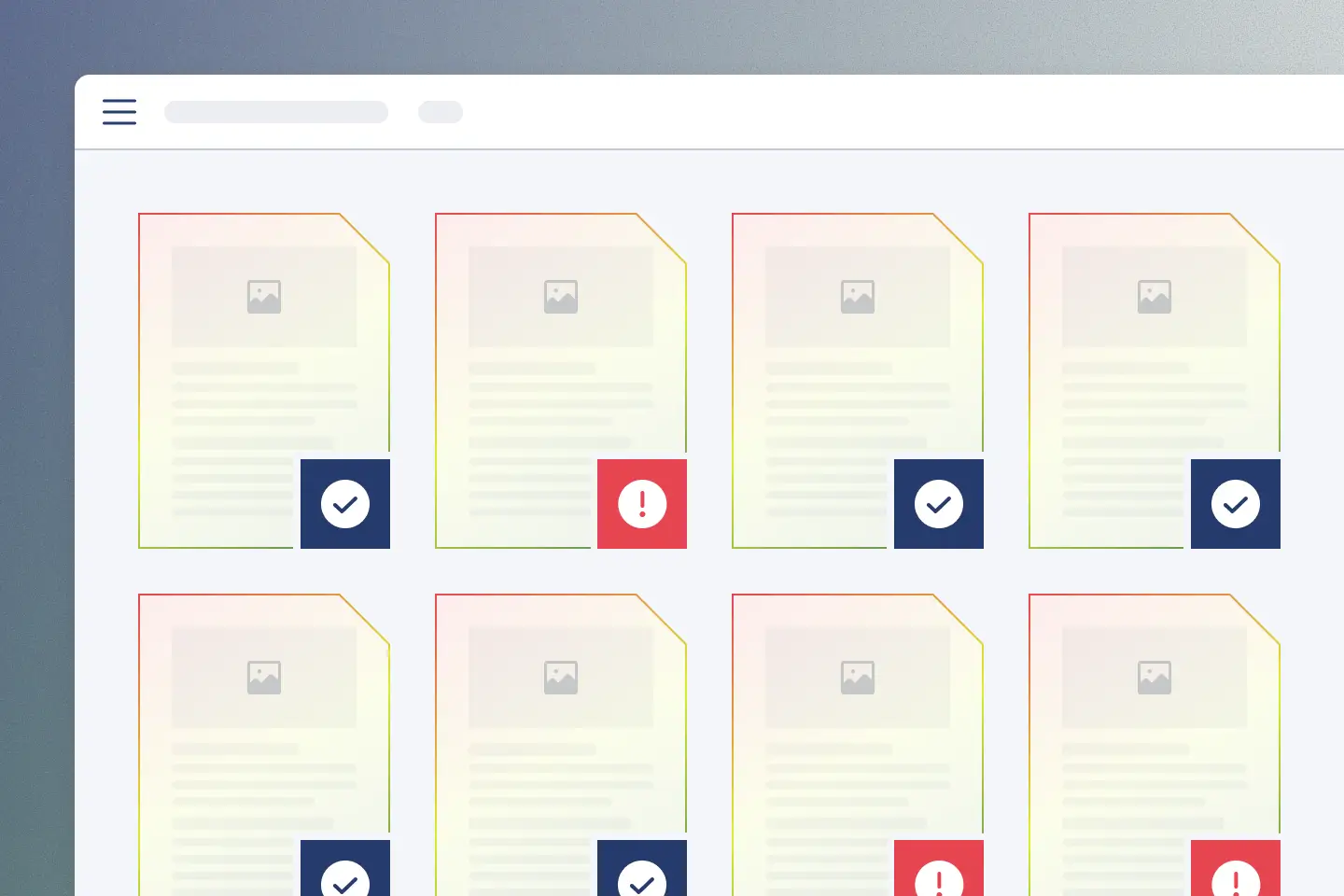
AI-powered risk detection
Identify compliance and brand risks before human review.
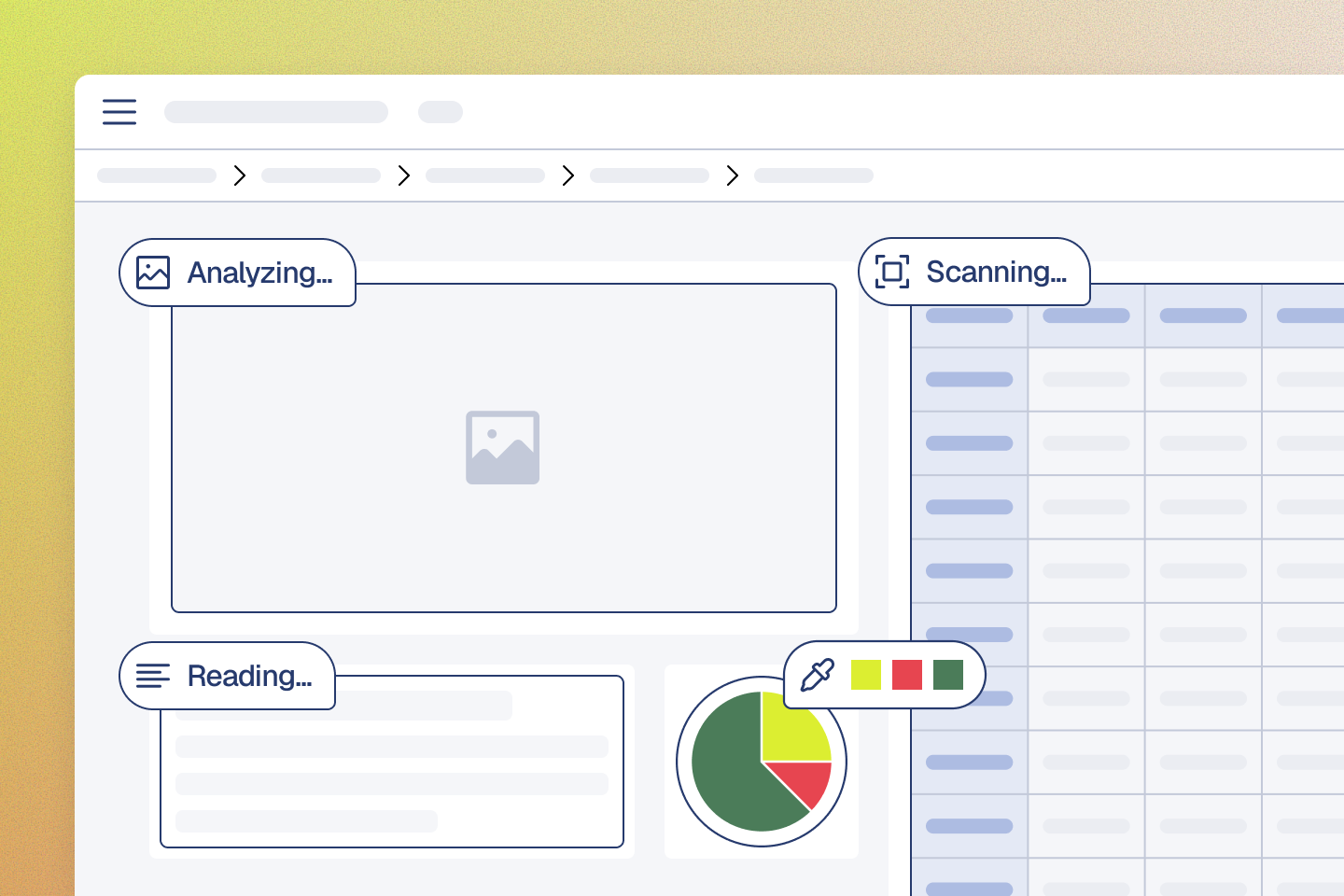
Atomic file breakdown
Break files into pixel-level components for precise review and routing.
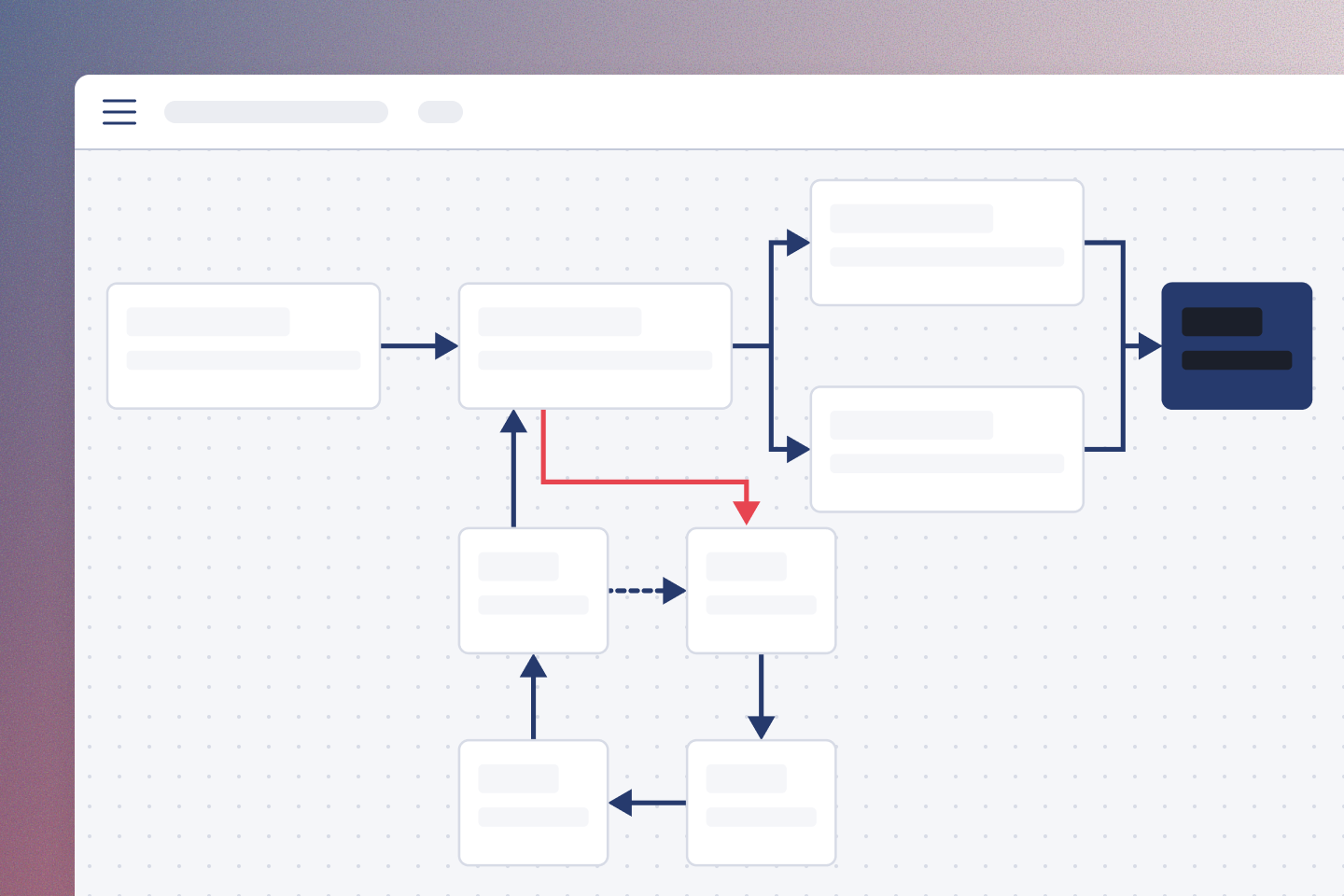
Decision-based workflow routing
Route work based on real decisions, with loops, backtracks, and conditional logic built in.
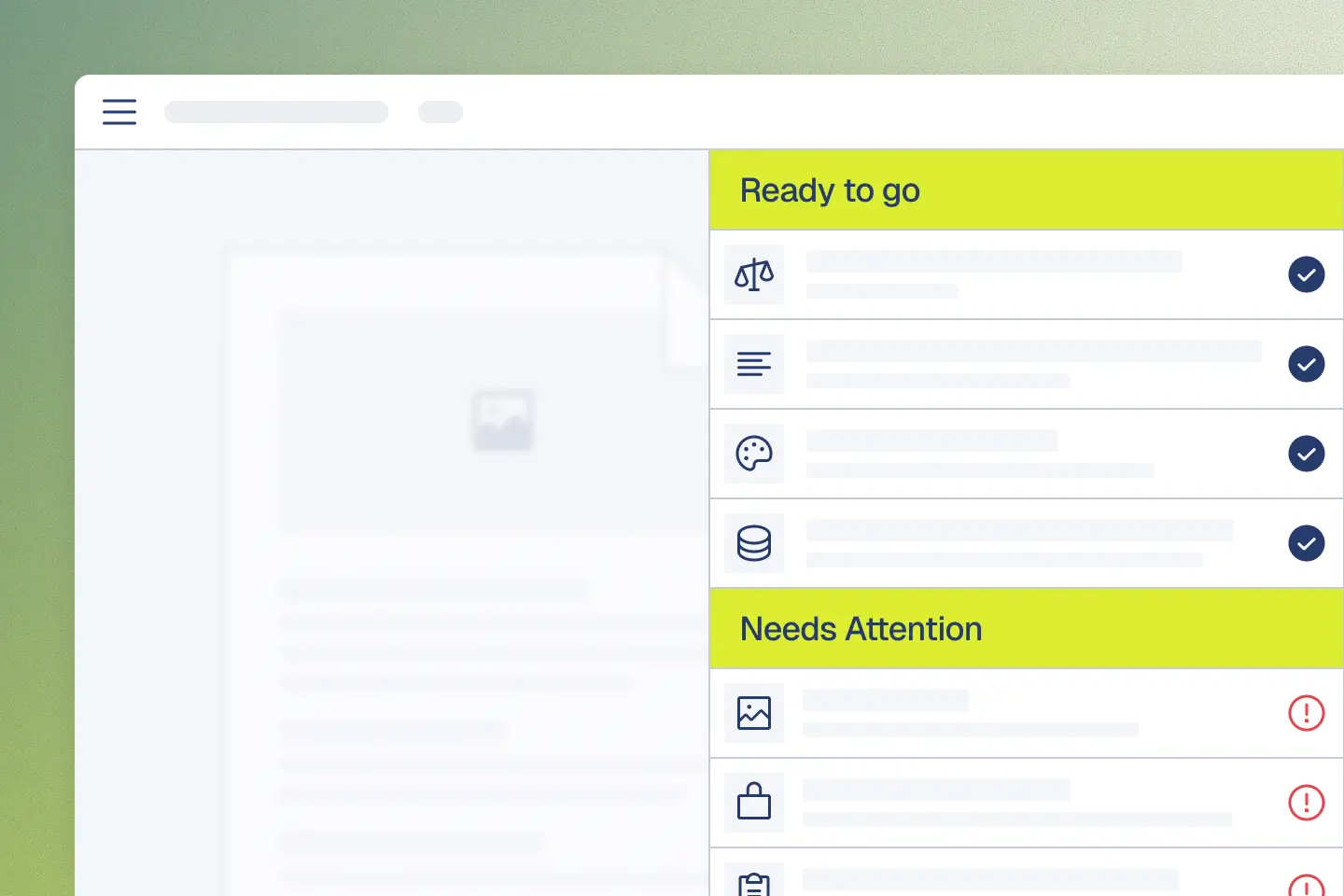
Grade 1 audit readiness
Documentation built for forensic compliance standards.
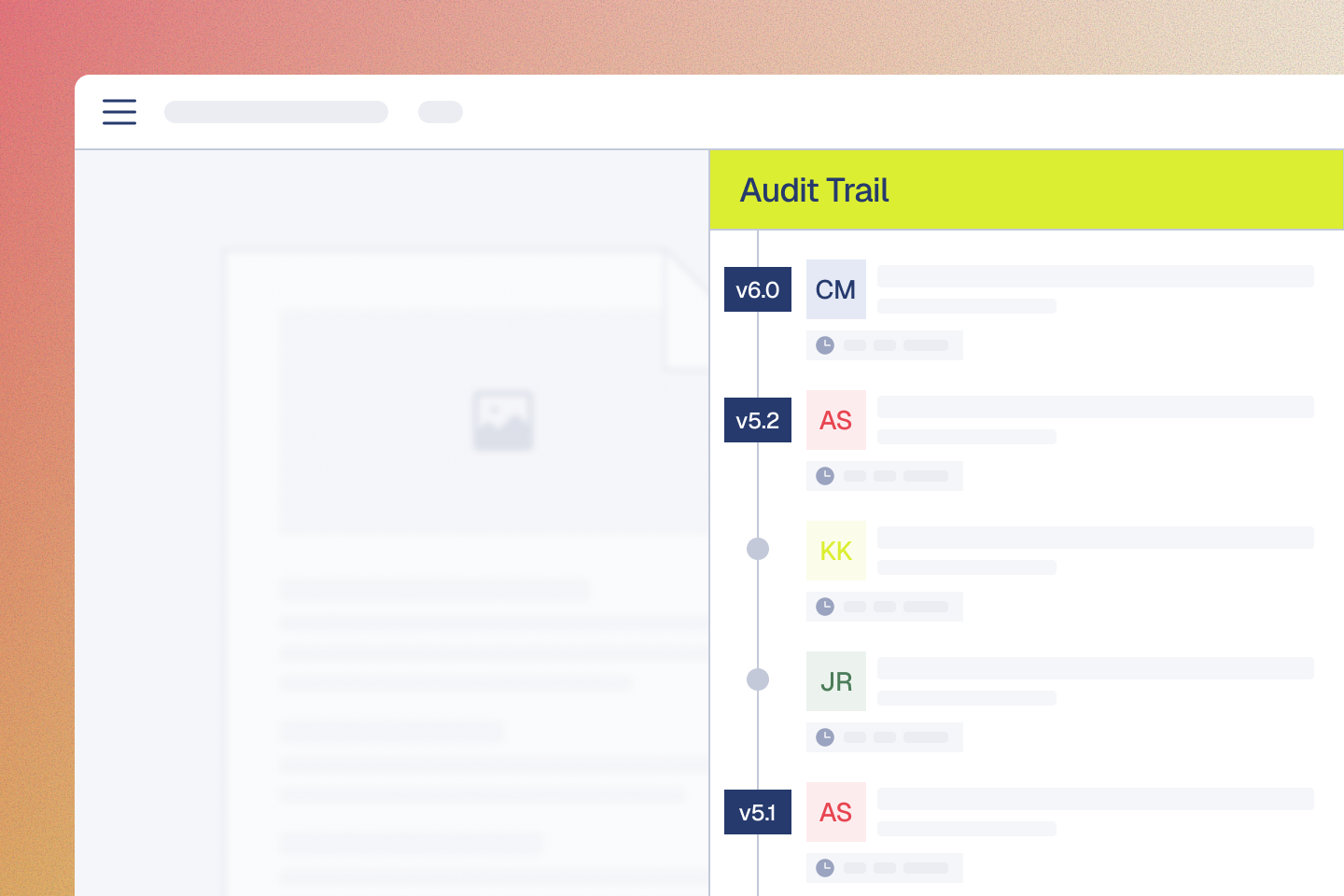
Real-time audit trails
Capture every decision automatically as part of the workflow.
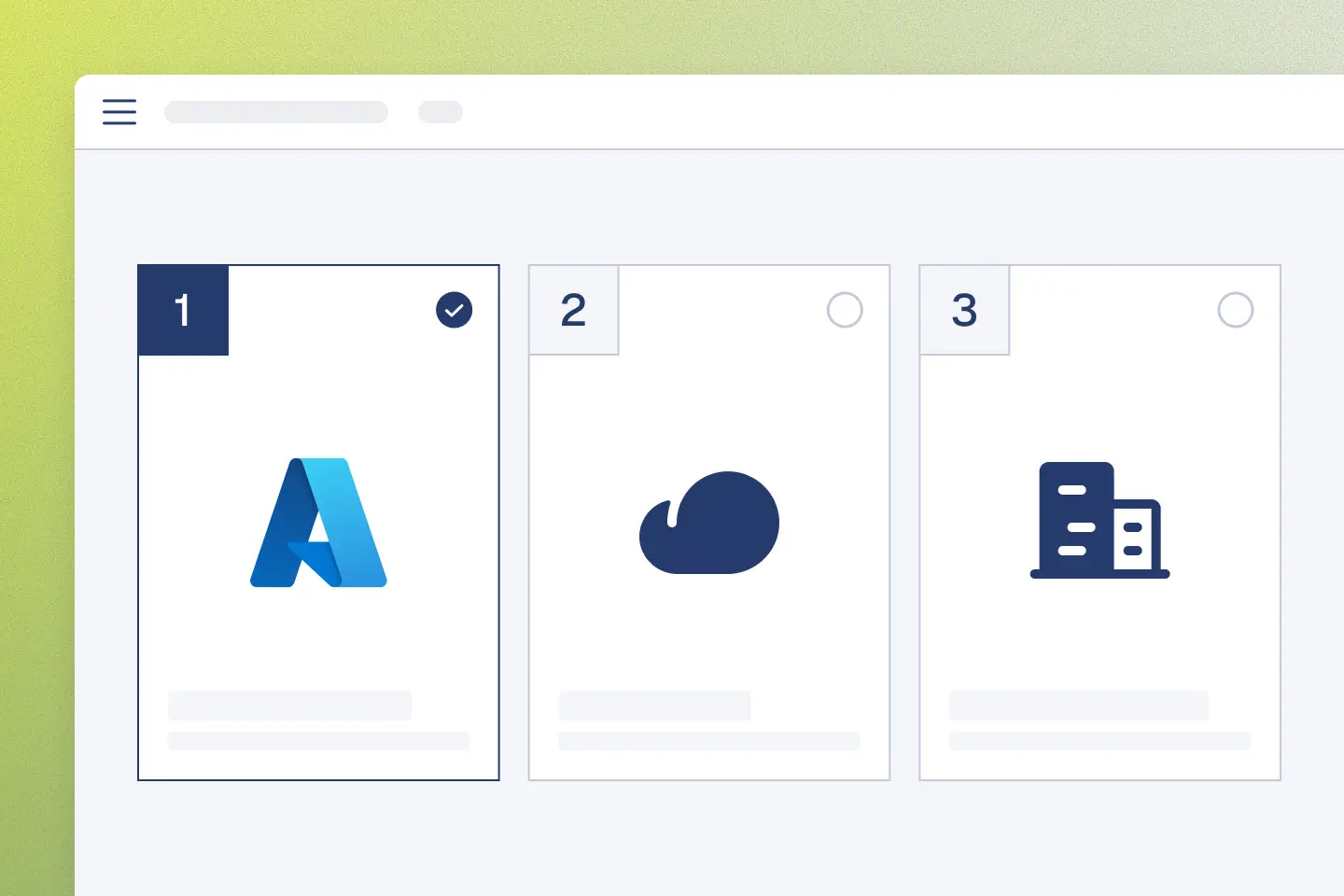
Sovereign Deployment Options
Cloud, self-hosted, or on-premise. Same software, your infrastructure.



See how teams scale on Aproove
Aproove powers agency operations at marketing services and creative production partners including PureRED, Publicis, Havas, Picto NY, and Straub Collaborative, where the platform runs everything from monthly retainer cycles to high-volume promotional execution at enterprise scale.
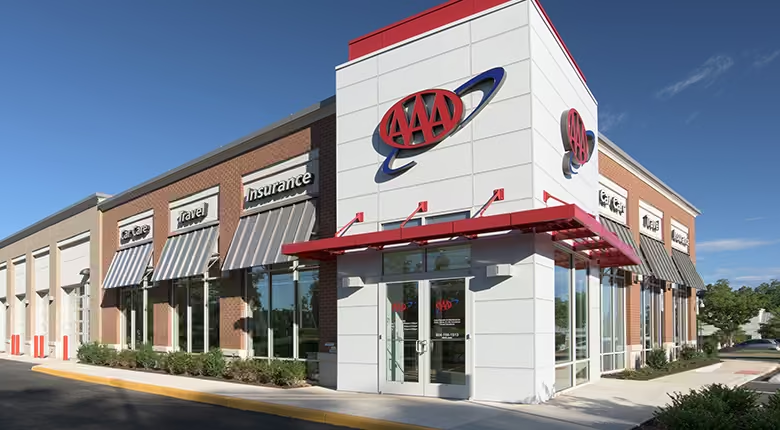

AAA Life Insurance: 15 weeks faster to market
- 63% faster review cycles
- 15 week reduction in launch time


Armani: Advanced form usage
- 4X the number of approved assets
- 90% reduction in creative turnaround times



Trusted by leaders
Used by teams that cannot afford uncertainty in their approval process.
"Implementing Aproove has dramatically reduced errors, increased motivation and satisfaction across the teams and importantly, saved the operation significant hard costs."

“The Aproove team are the best team in the world. I feel like I'm their only customer, they are always there for me.”

"Within a short period, we were able to reduce 25 workflows into a single workflow. The team saw a 15-week reduction in getting new marketing packages from idea to market. More importantly, it ensured that all the packages were compliant with regulatory requirements. All steps, comments, and approval are captured and saved for any audits."

Common questions from creative agencies
Need to run your agency on one platform?
Talk to our team about consolidating planning, creative review, agency time tracking software, and client portals into one operating system for the agency.
Explore how Aproove adapts across industries
From regulated environments to high-volume retail, Aproove supports complex workflows wherever speed, control, and accountability need to work together.





Audit-ready at a moment’s notice.
Aproove makes accuracy, speed and scale realistic for regulated content.